Pre-K
Empowering Young Minds for the Next Big Step
3 to 4 Years
Our Pre-K program is where young learners embark on a journey of discovery, creativity, and growth, preparing them for a smooth transition into kindergarten and beyond through a blend of structured learning and playful exploration.
Skill Development for Preschoolers
Language development in Pre-K children is marked by rapid growth in vocabulary, sentence structure, and conversational skills. They begin to speak in full sentences, ask questions, and engage in back-and-forth discussions. This stage also includes recognizing letters, understanding basic storytelling, and following multi-step directions, laying a strong foundation for literacy and effective communication.
Pre-K children develop problem-solving skills through activities that encourage them to think independently, experiment with solutions, and overcome challenges. Whether completing puzzles, building structures, or figuring out how to share toys, they learn to approach problems with curiosity and persistence.
Critical thinking in Pre-K involves asking questions, making observations, and drawing simple conclusions. Children at this stage begin to understand cause and effect, compare and contrast objects, and make decisions based on reasoning, helping them make sense of the world around them.
Creativity flourishes in Pre-K as children explore art, music, storytelling, and imaginative play. Through drawing, crafting, and role-playing, they express their unique ideas and emotions, fostering self-expression and innovative thinking in a fun, engaging environment.
Social interaction skills grow as Pre-K children learn to play cooperatively, share, and communicate with peers. They begin forming friendships, understanding the basics of empathy, and navigating social norms like taking turns and listening, which are essential for building positive relationships.

My 4-year-old daughter has been with BDLC since she was a 1-year old. When it was time to look for someone to care for her, I was referred to the Owner of BDLC and I knew right away after our first meeting this was everything I was looking for. The entire staff, from the owner, director and teachers and staff are amazing. I definitely recommend them to anyone who is looking for a caring, nurturing and very well-kept (always smells good) environment for their child.
Transition to Kindergarten
Pre-K Curriculum
Pre-k classes are divided into learning centers which children explore, learn, and play. Three- and four-year- olds are taught the Abeka curriculum. Some of the subjects they study include language and development, phonics, reading, writing, numbers, art, and Bible.
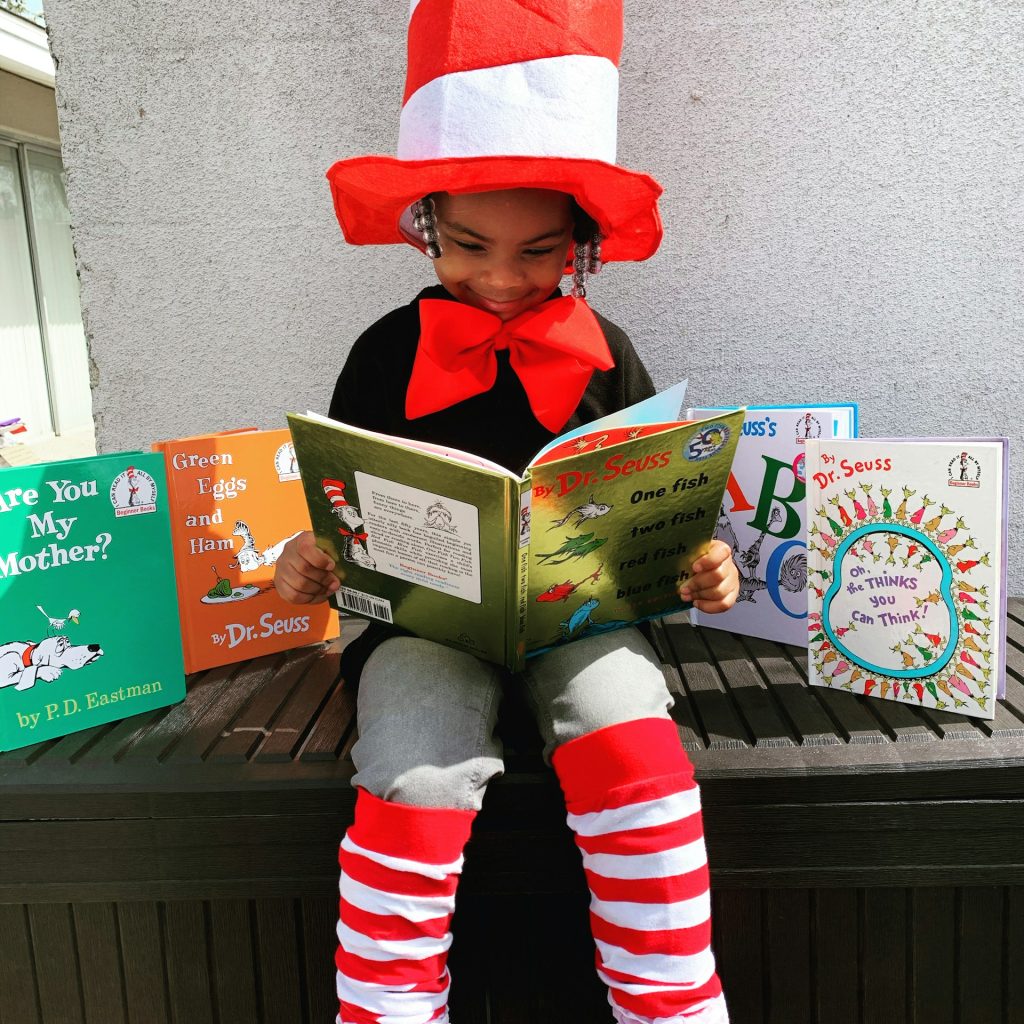
Literacy activities focus on building early reading and writing skills through engaging storytimes, letter recognition, and phonics games. Children explore books, learn to identify sounds and letters, and develop the foundations of reading comprehension and language expression.
Numeracy introduces basic math concepts such as counting, number recognition, shapes, and simple patterns. Hands-on activities with manipulatives, counting games, and sorting exercises help children understand numbers, measurements, and early problem-solving skills.
Science activities encourage curiosity and exploration of the world through simple experiments, nature observations, and hands-on learning. Children engage in activities that teach them about plants, animals, weather, and basic physical concepts, fostering an understanding of cause and effect.
Art allows children to express themselves creatively through painting, drawing, sculpting, and crafting. These activities enhance fine motor skills, encourage imagination, and provide an outlet for personal expression while introducing children to various artistic techniques and materials.